AI Food Photography Prompts Guide
A practical guide to writing AI food photography prompts with appetizing lighting, styling, camera direction and realistic texture control.
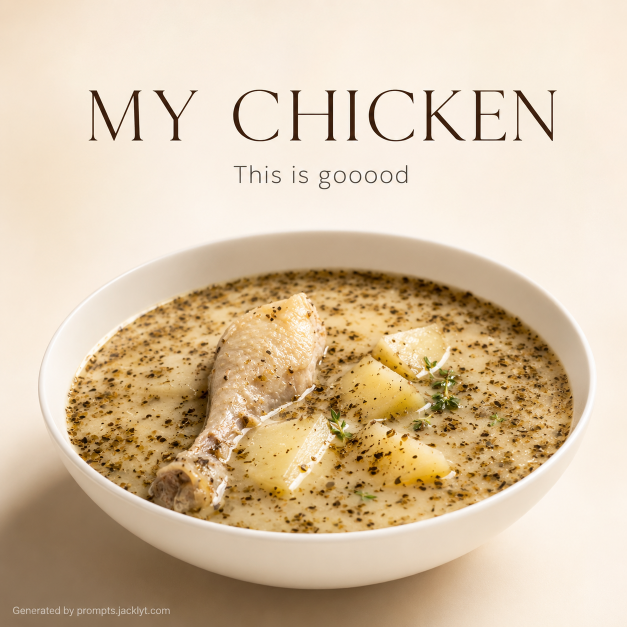
Food prompts are not only about making a dish look “delicious.” A good food image needs texture, light, plating and context. A burger should show toasted bread and juicy layers. Pasta should not become a soft orange blur. Ice cream needs believable surface detail before it melts into a plastic-looking scoop. The prompt should help the model understand what makes the food appetizing in a visible way. Instead of piling on words like premium, mouth-watering and beautiful, describe the things a photographer would actually control.
Start with texture
Texture is what separates a believable food image from a generic stock-style render. Mention crisp edges, glossy sauce, flaky pastry, char marks, soft crumbs, steam, condensation or melted cheese only when they fit the dish. Do not add all of them to every prompt.
- For burgers: toasted bun, visible layers, melted cheese, clean plate.
- For desserts: surface texture, crumbs, gentle highlights, no plastic shine.
- For drinks: condensation, glass clarity, realistic reflections.
- For pasta: sauce coating, visible ingredients, natural color.
A practical food photography prompt
Create a realistic editorial food photograph of a freshly made cheeseburger.
Composition: three-quarter close-up, burger centered but not perfectly symmetrical, plate visible, shallow depth of field.
Food detail: toasted sesame bun, melted cheddar, crisp lettuce, tomato slice, juicy patty with light char marks.
Lighting: soft side window light, warm highlights, natural shadows.
Background: simple diner table, minimal props, no busy clutter.
Avoid: plastic-looking food, fake steam, unreadable text, extra burgers, messy sauce explosion, oversaturated colors.
Bad prompt vs better prompt
Weak:
Make a delicious pizza, ultra realistic, amazing.

Better:
Create a realistic editorial photo of a wood-fired margherita pizza on a simple ceramic plate. Show blistered crust, melted mozzarella, fresh basil, light olive oil shine and natural tomato color. Use soft side light and a warm restaurant table background. Avoid plastic cheese, fake steam, extra plates, text, logos and oversaturated red sauce.
Composition matters as much as ingredients
A food image can fail even when the dish is correct. Overhead shots work well for flat layouts, bowls, ingredient spreads and table scenes. Three-quarter close-ups work better for burgers, drinks, desserts and anything with height. Extreme close-ups can make texture look rich, but they are risky if the model starts inventing messy details.
“Food prompts get better when they describe what appetite looks like, not just how it feels.”
Common food prompt mistakes
- Adding too many props until the dish stops being the hero.
- Using fake steam on food where it looks staged or artificial.
- Asking for perfect symmetry, which often makes food look like plastic.
- Ignoring color control, especially with sauces, meat and desserts.
Where these prompts are useful
Structured food prompts are useful for recipe covers, restaurant mockups, menu concepts, blog images and social posts. They are also helpful when you want visual consistency across a set of dishes: same light, same table, same crop and same level of styling.
Frequently asked questions
Should I use overhead or close-up composition?
Use overhead for layouts and bowls; use three-quarter close-up for food with height and texture.
How do I avoid plastic-looking food?
Ask for natural imperfections, realistic texture, soft light and restrained highlights.
Can I use prompts for menu images?
Yes, especially for concepts and visual direction. Keep the dish clean and avoid fake labels or text.
What should the negative prompt include?
Block plastic texture, fake steam, extra food items, text, logos, distorted plates and oversaturated colors.
Create sharper food visuals
Use a food prompt template to control texture, plating, lighting and background.
Explore food prompts